.svg)


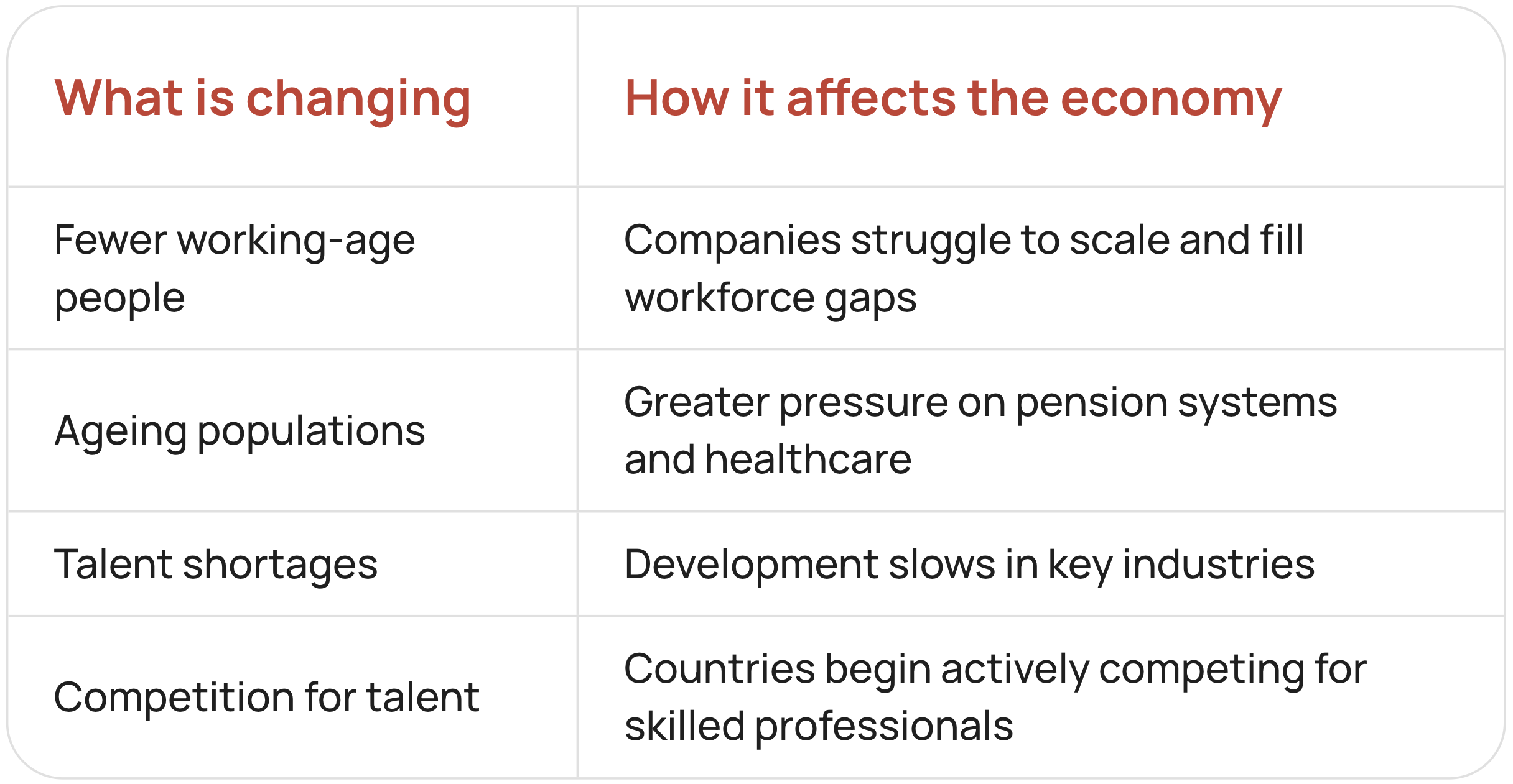
This shift is closely linked to population ageing, which is reducing the size of the working-age population across advanced economies.
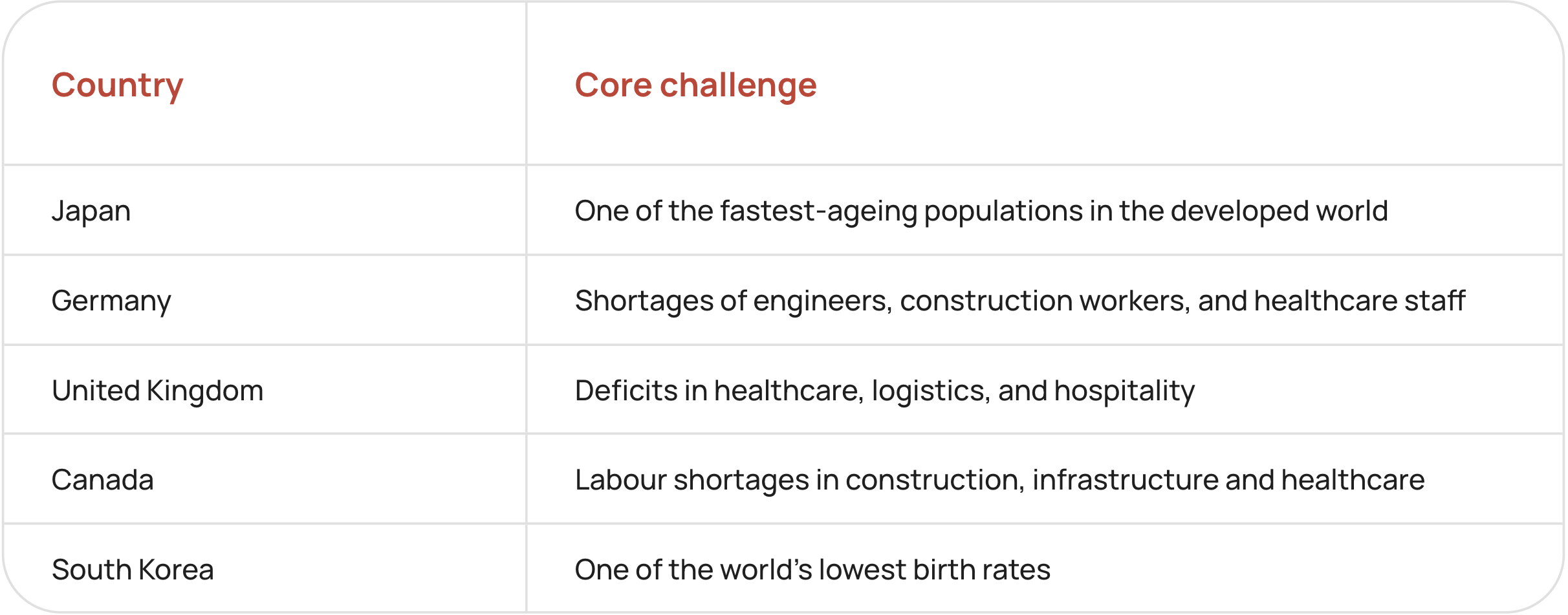
These shifts are pushing governments to design immigration systems more closely around economic priorities, workforce needs and innovation capacity.
Immigration is becoming a core component of broader economic and industrial strategy, closely tied to labour market sustainability, productivity and long-term growth.


Keep Exploring

25.09.26
Canadian Business Growth Advisors launches a new Expert Interview Series with immigration professionals supporting entrepreneurs in Canada.

08.09.26
The province you choose determines the environment in which you will build your business, including access to customers, employees, suppliers, and the local market.
.png)
21.08.26
Canadian Business Growth Advisors has been recognised as a winner of the Management Consulting Awards 2026, presented by Wealth & Finance.
Find the
Expertise
You Need